Kathmandu: Nepal is unlikely to meet its targeted economic growth for the fiscal year 2025–26, with the Central Bank confirming on Monday that the delayed monsoon, floods, and landslides have significantly impacted agriculture and other key sectors. This is the first official acknowledgment from a government body, though global institutions such as the World Bank had already revised their forecasts downward.
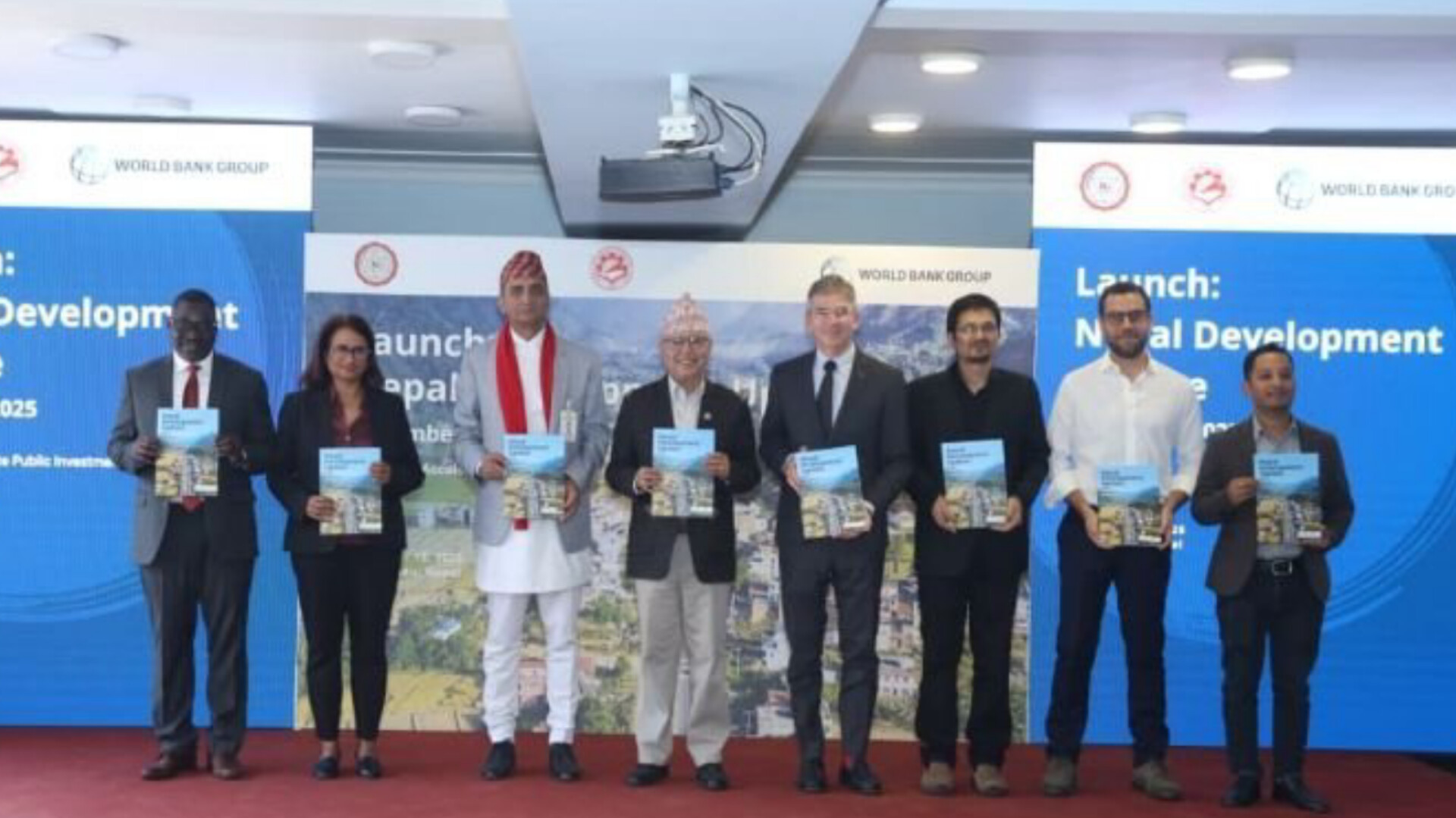
The government had projected six per cent growth when it announced the budget in May. However, the Nepal Rastra Bank (NRB), in its first quarterly review of the monetary policy, said agricultural output suffered due to the late monsoon and subsequent heavy rains. Although the Central Bank did not provide a revised figure, the World Bank recently slashed its estimate to 2.1 per cent, citing political unrest in September that resulted in infrastructure damage, casualties among Gen-Z protesters, and the collapse of the K.P. Sharma Oli-led government.

While the World Bank warned of a sharp downturn in tourism and services, the NRB noted that foreign tourist arrivals remained relatively stable despite major hotel damage. Tourist numbers reached 944,000 in the first 10 months of 2025, slightly higher than the previous year.
The Central Bank also revised its inflation outlook, projecting an average rate of four per cent—below its earlier target of five per cent—supported by lower inflation in India and declining global petroleum prices.